The Benefits of Adding Compost to Vegetable Gardens
A thriving vegetable garden starts with healthy soil that provides essential nutrients, supports strong roots, and retains adequate moisture. Compost can improve soil quality while helping gardeners grow healthier plants and maintain productive garden beds. Understanding these benefits can help you choose the right compost for your gardening needs.
Improving Soil Structure and Moisture Retention
Healthy soil provides the foundation for a productive vegetable garden. Compost improves soil structure by adding organic matter that helps loosen compacted ground, improve aeration, and create better conditions for root development. Whether soil is sandy, clay-heavy, or loamy, compost can help create a more balanced growing environment.
Compost also improves moisture retention, allowing soil to hold water for longer periods between rainfalls or irrigation. This benefit can help vegetables withstand dry conditions and reduce the amount of water needed to maintain healthy plants. Better drainage and moisture balance also help protect roots from waterlogged conditions that can interfere with growth.
Gardeners looking for compost for sale can find products suited to different soil types and planting needs. Quality compost helps improve soil texture while creating a favorable environment for beneficial microorganisms. Over time, consistent additions of organic matter can make garden soil more productive and easier to manage.
Supplying Essential Nutrients for Vegetables
Vegetables require nutrients such as nitrogen, phosphorus, and potassium to support foliage, root development, flowering, and fruit production. Compost supplies these nutrients gradually as organic matter breaks down, helping maintain soil fertility throughout the growing season. It also contributes micronutrients, including iron and zinc, that support essential plant functions.
Unlike some synthetic fertilizers, compost releases nutrients relatively slowly, reducing the risk of sudden nutrient surpluses when used appropriately. Its organic matter also supports microorganisms that help cycle nutrients into forms plants can absorb. This combination of biological activity and gradual nutrient release contributes to healthier growing conditions.
Finding compost for sale can help gardeners select an appropriate soil amendment for their vegetable beds. Different compost products vary in nutrient content and maturity, so choosing a finished product suitable for food gardens is important. Quality compost can complement other soil management practices while supporting consistent plant development.
Encouraging Stronger Roots and Healthier Plants
Strong root systems allow vegetable plants to access water and nutrients while anchoring them securely in the soil. Compost improves the physical structure of the growing environment, creating spaces that allow roots to spread and receive adequate oxygen. These conditions can support more consistent growth from seedlings through maturity.
Compost also encourages diverse communities of beneficial soil organisms. Bacteria, fungi, and other microorganisms help break down organic matter and contribute to nutrient cycling. A biologically active soil environment can support plant resilience, although compost does not eliminate the risk of pests, diseases, or nutrient deficiencies.
Gardeners searching for compost for sale can benefit from selecting material that is properly processed and appropriate for vegetable production. Mature compost can support healthy soil conditions without overwhelming plants with undecomposed organic matter. Its benefits are particularly valuable when building long-term soil fertility across multiple growing seasons.
Supporting Vegetable Production and Harvest Quality
Productive vegetable gardens depend on suitable soil conditions, adequate nutrients, and consistent access to moisture. Compost supports these needs by improving soil structure and helping plants access essential resources. When combined with appropriate watering, sunlight, and crop management, healthy soil can contribute to more reliable harvests.
Tomatoes, peppers, leafy greens, squash, and many other vegetables benefit from soil that supports balanced moisture and nutrient availability. However, individual crops have different nutritional requirements, and excessive compost application can sometimes contribute to nutrient imbalances. Using compost according to the needs of the soil and plants helps maintain suitable growing conditions.
Choosing compost for sale from a reliable supplier gives gardeners access to organic material that can help support productive planting beds. A suitable product can improve soil quality over time, benefiting successive crops rather than providing only a short-term boost. Consistent soil management can contribute to healthier plants and more dependable harvests.
Reducing Waste and Supporting the Environment
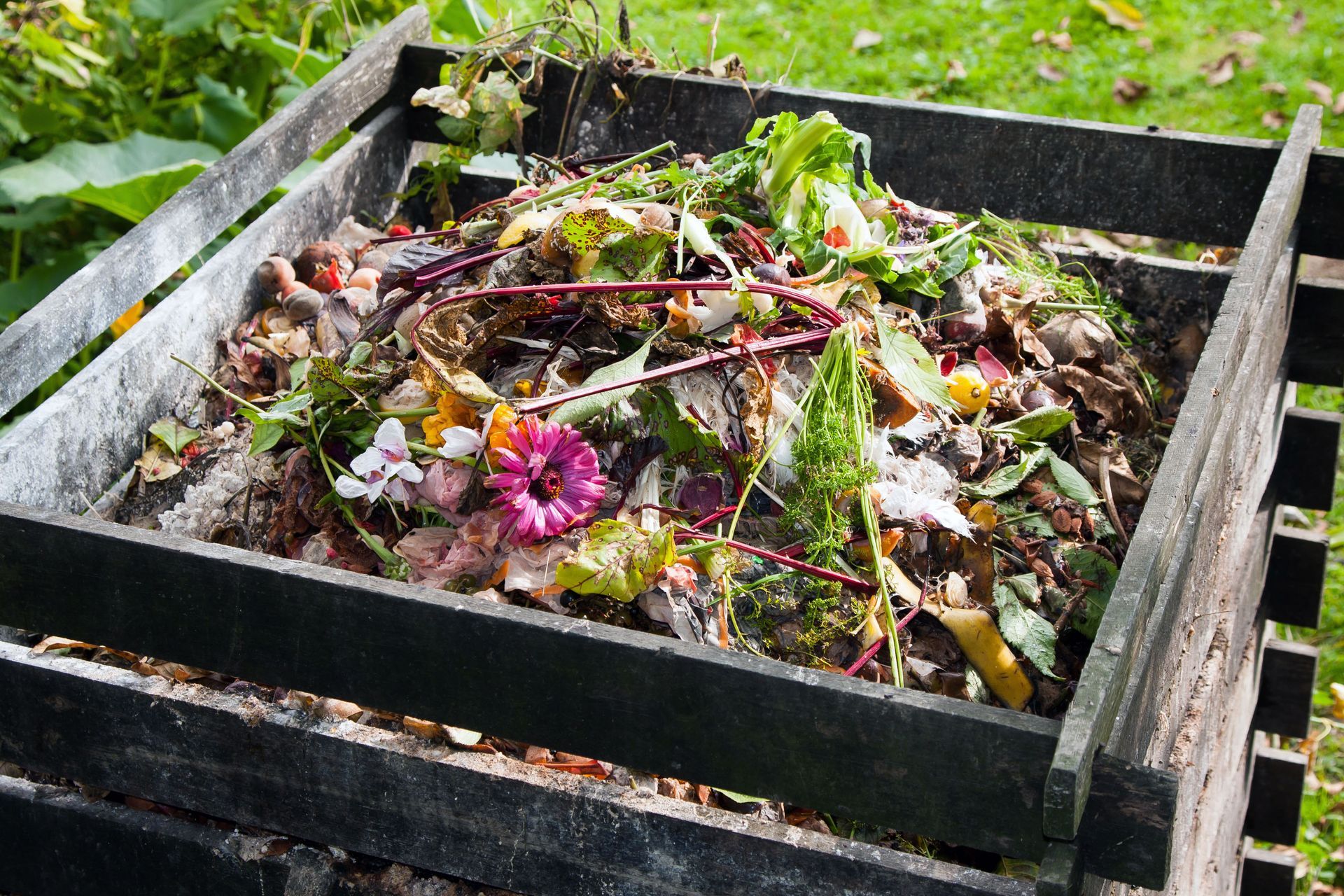
Compost provides environmental benefits by turning organic materials into a useful soil amendment instead of allowing them to become waste. According to the EPA, organics, including wasted food, account for over 51% of municipal solid waste sent to landfills. There, they decompose anaerobically, or without oxygen, and release methane, a potent greenhouse gas that is 28 to 36 times more effective at trapping heat than carbon dioxide.
Diverting suitable organic materials into composting systems helps reduce the amount of waste sent to landfills. The finished material can return organic matter and nutrients to the soil, supporting a more circular approach to resource use. Composting does not eliminate all environmental impacts, but properly managed systems can provide meaningful benefits for waste reduction and soil health.
Purchasing compost for sale also allows gardeners to incorporate recycled organic materials into their landscapes. Using compost can reduce reliance on certain manufactured soil amendments and support healthier soil ecosystems. These benefits make compost a practical option for people who want their gardening activities to contribute to more sustainable land management.
Choosing Quality Compost for Vegetable Gardens
Not all compost products are identical, so selecting an appropriate material is important. Finished compost should generally have a dark, crumbly appearance and an earthy smell rather than a strong odor of decomposition. Products intended for vegetable gardens should be properly processed and free from visible contaminants.
The source materials and production methods can influence compost quality, nutrient levels, and suitability for different applications. Some products are designed primarily to improve soil structure, while others may contain additional ingredients intended for specific planting needs. Reviewing product information helps gardeners select compost that aligns with their soil conditions and vegetable crops.
When comparing compost for sale, gardeners should consider consistency, intended use, available quantities, and the supplier's handling practices. Reliable product information can help determine whether a particular compost is suitable for raised beds, established garden plots, or larger growing areas. Selecting quality material helps ensure that the soil amendment supports rather than interferes with plant health.
Making Compost Part of Long-Term Soil Care
Compost provides the greatest value when it is considered part of an ongoing soil management strategy. Organic matter breaks down over time, so periodic additions can help maintain soil structure, moisture retention, and nutrient availability. The appropriate amount and frequency depend on existing soil conditions, crop requirements, and the characteristics of the compost.
Regular soil testing can help identify nutrient levels and pH conditions before additional amendments are applied. This information is particularly useful because compost products differ in their nutrient content, and excessive applications can lead to imbalances. A balanced approach helps gardeners improve soil without adding unnecessary nutrients.
Finding dependable compost for sale makes it easier to maintain soil quality from one growing season to the next. Whether establishing a new vegetable garden or maintaining an existing one, suitable compost can contribute to healthier soil and more favorable growing conditions. Investing in soil quality supports productive gardens while encouraging responsible use of organic resources.
Finding Compost for Your Vegetable Garden
Adding compost to vegetable garden soil can improve structure, increase moisture retention, support nutrient cycling, and encourage healthy root development. These benefits can help create better growing conditions for a wide range of vegetables while contributing to more sustainable gardening practices. Selecting the right compost and applying it appropriately can make a meaningful difference in long-term soil health.
If you're looking for compost for sale, contact Four Seasons Nursery to explore available options for your vegetable garden and landscaping needs. Their team can help you find suitable materials to support healthy soil and productive growing conditions. Reach out to Four Seasons Nursery today to get started on creating a healthier garden.

Share On: