How to Select Plants That Attract Butterflies and Pollinators
A garden with butterflies, bees, and other pollinators adds color and activity while supporting local ecosystems. In Virginia, selecting plants with varied flower colors, bloom times, and nectar sources helps attract wildlife from spring through fall. A knowledgeable garden nursery can recommend suitable flowers, shrubs, and native plants based on sunlight, soil conditions, available space, and landscaping goals.
How Native Plants Support Local Pollinators
Native plants are adapted to the conditions of the regions where they naturally occur. Because they have developed alongside local wildlife, many provide valuable food or habitat for native bees, butterflies, and other pollinators. Their suitability for Virginia's climate can also make them practical choices for residential landscapes when matched with the right growing conditions.
Native flowering plants can offer nectar to adult butterflies and bees, while certain species also serve as host plants for butterfly caterpillars. These roles are different but equally important. Adult butterflies need nectar for energy, whereas caterpillars often depend on particular plants for food as they develop.
Milkweed supports monarch caterpillars, while native coneflowers and mountain mint attract various pollinators. Choosing suitable plants depends on sunlight, soil moisture, and regional conditions. A knowledgeable garden nursery can recommend native species suited to Virginia's climate, helping homeowners create an attractive landscape that supports local wildlife and encourages healthy plant growth throughout the growing season.
How Flower Shapes and Colors Attract Butterflies
Butterflies use visual cues to locate flowers, and certain flower shapes make nectar easier to reach. Many butterflies are attracted to colorful blooms with accessible nectar, particularly flowers that provide a suitable landing surface. Flat-topped clusters and broad flower heads can give butterflies a place to rest while feeding.
Purple, pink, orange, yellow, and red flowers may attract butterflies, although preferences vary by species and local conditions. Rather than relying on one color, a landscape can include a range of flowering plants with different shapes and bloom periods. This variety creates a more visually interesting garden while increasing the chances of attracting different pollinators.
Coneflowers, asters, zinnias, and phlox add color to Virginia gardens and can attract pollinators. Because some butterfly bush varieties are invasive, choosing suitable alternatives helps protect local ecosystems. A knowledgeable garden nursery can recommend noninvasive plants based on bloom color, mature size, growing conditions, and maintenance needs, helping homeowners create attractive, pollinator-friendly landscapes.
How Blooming Seasons Provide Consistent Food Sources
Pollinators need access to food throughout their active seasons, so choosing plants with different flowering periods is an important part of garden planning. Some plants bloom early in spring, while others provide nectar during summer or continue flowering into autumn. A landscape with staggered bloom times can offer more consistent food sources than one dominated by plants that flower for only a few weeks.
In Virginia, spring-blooming plants can help support pollinators emerging after winter. Depending on the location and growing conditions, options may include native phlox, redbud trees, and other early-flowering species. Summer brings opportunities to incorporate coneflowers, mountain mint, bee balm, and other nectar-producing plants. Later in the season, asters and goldenrods can provide valuable food as temperatures begin to cool.
Choosing plants with staggered bloom periods helps provide pollinators with food throughout the growing season. Consider each plant’s flowering time, mature size, and growing requirements. A garden nursery can help homeowners select varieties suited to Virginia’s climate, creating a balanced landscape with continuous blooms, changing colors, and varied textures from spring through fall.
How Sunlight and Soil Conditions Influence Plant Selection
Even plants known for attracting butterflies may struggle when placed in unsuitable conditions. Sunlight, soil texture, drainage, and moisture availability all affect plant growth and flowering. Understanding these factors helps homeowners choose varieties that can thrive in their particular landscape.
Many flowering plants that attract butterflies grow best in sunny locations, although some pollinator-friendly species tolerate partial shade. A garden that receives several hours of direct sunlight may support a different plant selection than a shaded area beneath mature trees. Matching plants to available light helps encourage healthy growth and more reliable flowering.
Soil moisture, drainage, and sunlight all influence plant health. Virginia’s varied rainfall, soil composition, and summer temperatures make it important to choose plants suited to local conditions. Staff at a garden nursery can help homeowners evaluate their landscape’s growing environment and select suitable varieties that thrive while attracting butterflies and other pollinators.
How Host Plants Support Butterfly Life Cycles
Attracting adult butterflies is only one part of creating a pollinator-friendly landscape. Butterflies also need suitable plants on which to lay their eggs and provide food for developing caterpillars. These host plants vary by butterfly species, meaning a garden designed to support several types of butterflies may benefit from including multiple plant varieties.
Monarch butterflies depend on milkweed for their caterpillars, while black swallowtail caterpillars use plants in the carrot family, including dill, parsley, and fennel. Other butterfly species rely on different native trees, shrubs, grasses, or herbaceous plants. Choosing appropriate host plants can help support butterflies through more than the adult stage of their life cycle.
Caterpillar feeding is a natural part of butterfly development and does not necessarily mean a plant is unhealthy. A knowledgeable garden nursery can help Virginia homeowners select suitable host plants, considering mature size, growth habits, seasonal characteristics, and available garden space.
How Plant Diversity Creates a Pollinator-Friendly Garden
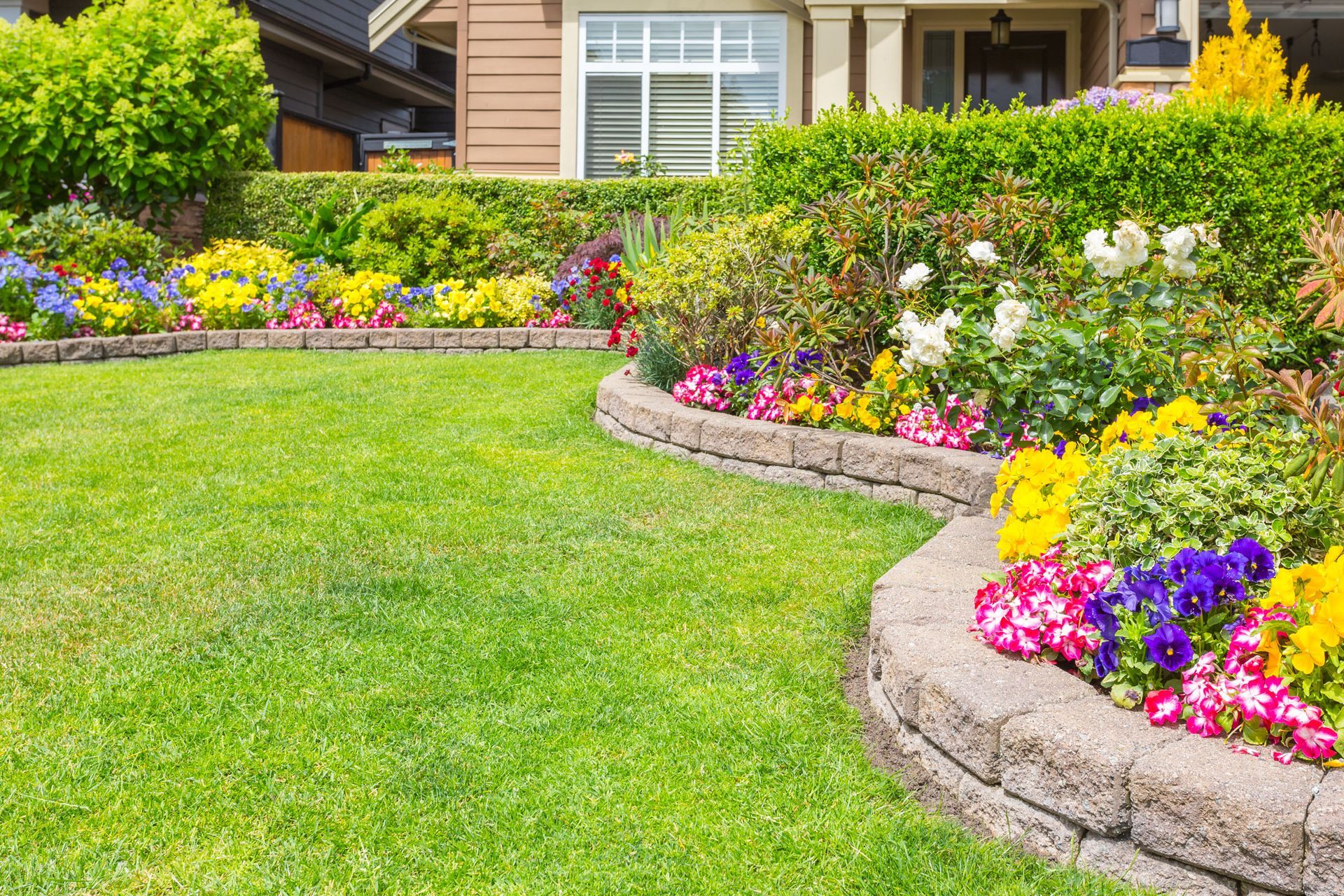
A diverse garden offers more than a succession of colorful blooms. Different plant species can attract different pollinators, provide varied sources of nectar and pollen, and create a landscape with a wider range of textures and heights. Combining flowering perennials, annuals, shrubs, and trees can make an outdoor space more useful to wildlife while adding depth to its design.
According to Garden Pals, gardening is an activity practiced by 55% of households across the United States. This interest creates opportunities for homeowners to make outdoor spaces more welcoming to pollinators through thoughtful plant selection. Even a modest garden can contribute when its plants provide suitable food sources and habitat.
Grouping several plants of the same species together can make flowers easier for pollinators to locate. However, planting a variety of species helps ensure that the garden offers different flower forms and bloom periods. Including trees and shrubs can also add structure and provide shelter, while flowering ground covers may help fill open areas where appropriate.
Limiting pesticide use helps protect bees, butterflies, and other beneficial insects. A garden nursery can recommend diverse plant combinations suited to local conditions, supporting pollinators while creating an attractive landscape with varied blooms throughout the growing season.
How Seasonal Care Maintains Healthy Pollinator Plants
Plant selection establishes the foundation for a pollinator-friendly garden, but ongoing care helps plants remain healthy as conditions change. Watering needs vary by species, soil type, rainfall, and plant maturity. Newly planted flowers and shrubs often require closer monitoring while their root systems become established, whereas established plants may need less frequent attention depending on the weather.
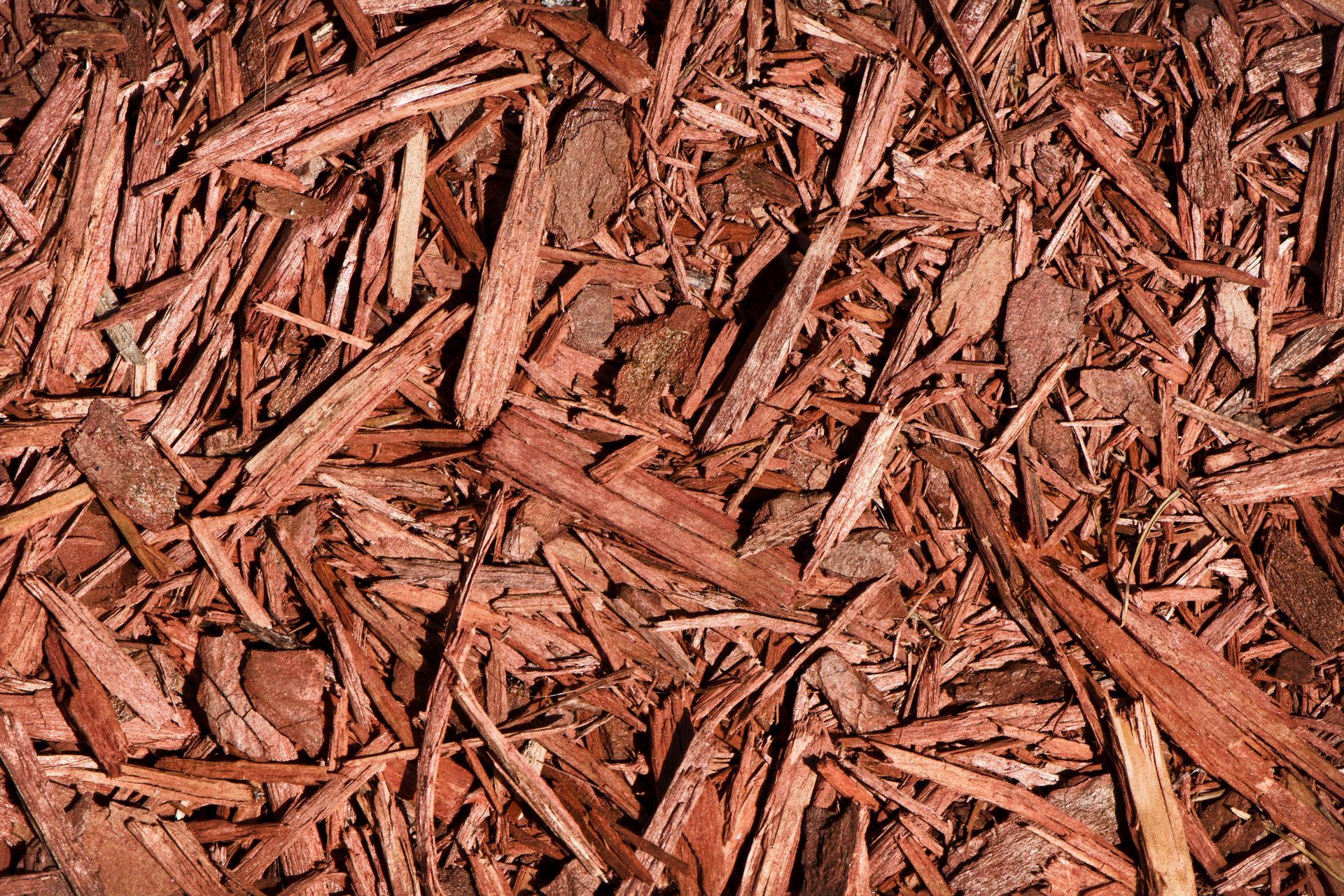
Virginia summers can bring periods of heat and limited rainfall, making moisture management especially important. Applying mulch around suitable plants can help conserve soil moisture and moderate soil temperatures. Mulch should be kept away from direct contact with plant stems and tree trunks to reduce the risk of moisture-related damage.
Pruning and deadheading should match each plant’s needs, while leaving some seed heads and stems can support wildlife through winter. A garden nursery can recommend pollinator-friendly plants suited to Virginia’s climate, seasonal care needs, and the homeowner’s preferred maintenance level.
A well-planned garden can support butterflies and other pollinators while complementing a home's outdoor spaces. Four Seasons Nursery can help Virginia homeowners explore plant options suited to their landscape, growing conditions, and seasonal goals. Contact Four Seasons Nursery to discuss plant selections and find suitable additions for a more colorful, pollinator-friendly garden.
Share On: