
The Science Behind Soil and Plant Nutrition
Soil and plant nutrition are intricately connected, playing a vital role in sustaining ecosystems and ensuring robust agricultural productivity. By understanding the complex interaction between soil properties and plant needs, we can enhance growth and optimize crop yields. This connection, driven by both natural processes and human intervention, reveals the depth of science that governs everything from a small garden to large-scale farming operations.
Understanding the Composition and Fertility of Soil
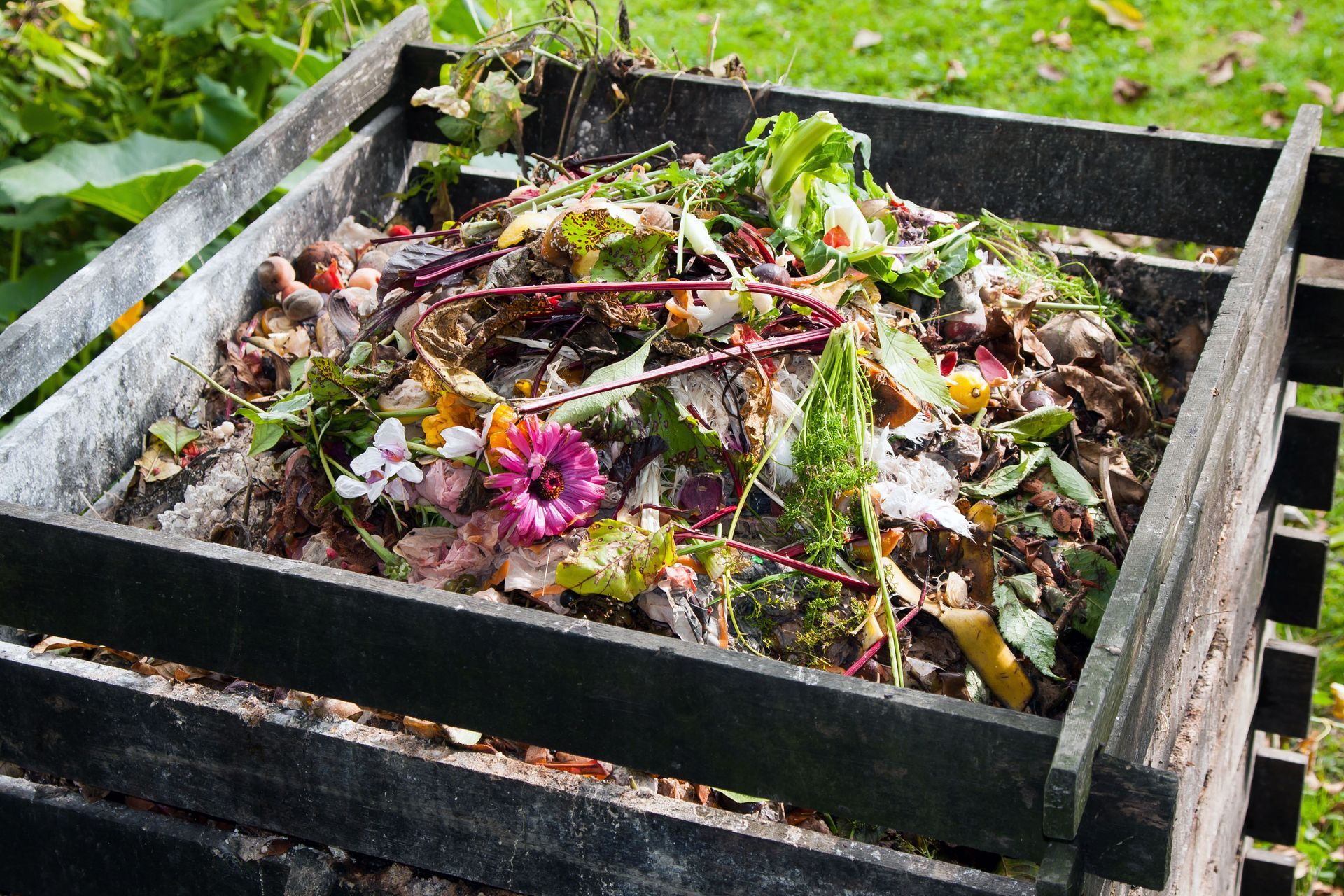
At the heart of the soil-plant relationship is the composition of the soil itself. Soil structure, pH levels, and nutrient content all play a role in determining its fertility. Nutrient-rich soil, like that found in balanced ecosystems, contains essential elements such as nitrogen, phosphorus, and potassium. These nutrients are absorbed by plant roots to fuel critical biological processes like photosynthesis and cellular respiration. Adding organic material such as compost is an effective way to enrich soil quality and support healthier plant growth.
Enhancing Soil with Organic Matter and Compost
The incorporation of organic matter, particularly compost, not only enriches nutrient levels but also improves soil structure. Compost enhances soil’s ability to retain water, making it more efficient in managing moisture for crops and gardens alike. According to research from Indiana University, soil enhanced with compost can hold more than double the amount of water compared to untreated soil, creating conditions where plants thrive even in dry climates. This efficiency reduces the need for constant watering while strengthening plant resilience.
Supporting Microbiological Activity within Soil
Soil health also relies on the activity of microorganisms. Bacteria, fungi, and earthworms work continuously to break down organic matter, releasing essential nutrients back into the soil. This natural recycling process not only sustains plant growth but also improves aeration and drainage. When compost is introduced, it fosters an environment where beneficial organisms can flourish, supporting long-term sustainability and building plant defenses against pests and diseases.
Encouraging Sustainable Practices for Stronger Growth
Promoting biodiversity and consistent soil care contributes to more sustainable agricultural practices. Providers who specialize in soil health solutions offer guidance on integrating compost and other organic matter effectively, helping gardeners and farmers maximize productivity. These practices not only enhance immediate crop yield but also protect natural resources, ensuring soil remains productive for future generations.
By understanding the science of soil and plant nutrition, we can harness natural processes to improve agricultural outcomes. Maintaining soil health through compost enrichment, water retention strategies, and biological diversity supports strong plant growth and ecosystem sustainability. With the right practices, growers can achieve healthier crops while contributing to the long-term preservation of the environment. Contact Four Seasons Nursery today to learn more!






Share On: