
Composting 101: How Turning Waste into Garden Gold Boosts Your Plants
Transforming everyday kitchen scraps and yard trimmings into dark, nutrient-dense humus is a rewarding process mimicking nature's recycling system, often supported by local garden centers that offer beginner workshops and consultation services. By harnessing natural decomposition, you create a superior soil amendment that dramatically improves garden vitality, root structure, and overall plant health. Producing your own compost offers an incredibly eco-friendly way to revitalize depleted earth while significantly reducing municipal landfill burdens.
Understanding the Science
When starting a heap of decomposing organic matter, you essentially create a controlled, optimized environment for billions of microscopic workers to thrive. Bacteria, fungi, and beneficial macro-invertebrates like earthworms act as the primary engines of this biological transformation, breaking down complex plant tissues into simpler, chemically stable compounds. This entire process is primarily aerobic, requiring a steady oxygen supply to proceed efficiently without generating the unpleasant odors that commonly deter beginners from attempting the practice. As these specialized microbes vigorously consume the accumulated organic waste, they generate significant metabolic heat, raising the internal temperature of the pile considerably. This localized thermal energy accelerates the physical breakdown of fibrous materials and effectively eliminates stubborn weed seeds or potential plant pathogens lurking in the yard debris.
If you are ever unsure about the microbiological health of your heap, many regional garden centers provide comprehensive soil testing services that analyze microbial activity to guide your efforts. The fascinating transformation from raw vegetable peels and dry autumn leaves into finished compost involves a complex succession of diverse microbial communities working in tandem. Initially, rapidly reproducing mesophilic bacteria consume easily degradable sugars and soft tissues in moderate temperature ranges. As their intense feeding activity naturally raises the ambient temperature, heat-loving thermophilic bacteria take over the primary decomposition duties, thriving in the sweltering interior to break down complex proteins. Once these available high-energy sources are depleted, the core temperature drops, allowing mesophilic organisms and complex fungal networks to return. These late-stage decomposers meticulously dismantle the highly resistant lignin found in woody branches, ultimately ensuring a biochemically stable product.
Gathering the Materials
Creating the absolute perfect environment for these microscopic laborers requires carefully providing a balanced diet consisting of carbon-rich and nitrogen-rich materials. Dedicated gardeners refer to the necessary carbon sources as brown materials, an essential category encompassing dried autumn leaves, agricultural straw, shredded cardboard, and chopped twigs. These crucial brown components provide the vital carbohydrate energy source for the bustling microbial workforce while simultaneously adding necessary structural porosity to the dense pile. This rigid structure allows fresh air to circulate freely through the center, effectively preventing the damp environment from becoming stagnant and anaerobic. Nitrogen sources, conversely, are colloquially known as green materials, encompassing freshly cut grass clippings, daily vegetable scraps, and freshly pulled garden weeds. The vibrant green elements supply the crucial proteins and essential amino acids that the hardworking bacteria need to reproduce rapidly throughout the decomposition process. Without this critical nitrogen-based fuel source, the biological engine of the heap would stall out entirely, leaving you with nothing more than an inert pile of dry yard waste.
Achieving the scientifically ideal ratio between carbon and nitrogen sources is a foundational skill for successful organic matter recycling. A highly reliable rule of thumb suggests thoroughly combining three parts of carbon-heavy brown materials by volume to one part of nitrogen-dense green materials. Adjusting these varied ingredients dynamically ensures that the resulting compost develops efficiently and quickly. If you find yourself lacking specific ingredients to achieve this delicate balance, neighborhood garden centers frequently offer bulk delivery services for organic straw, specialized nitrogen-rich alfalfa meal, and organic starter inoculants to perfectly calibrate your pile's nutritional profile.
Maintaining the Conditions
Beyond meticulously supplying the correct biological ingredients, managing a genuinely healthy decomposition environment requires actively monitoring the ambient moisture and oxygen levels within the pile. The specific microorganisms responsible for systematically breaking down the household waste require a consistently damp habitat to survive, function, and multiply at optimal rates. The mathematically ideal moisture level is frequently compared by horticulturalists to the texture of a wrung-out damp household sponge; it should feel noticeably moist to the touch but must never actively drip water when squeezed tightly. If the piled materials become severely desiccated due to prolonged sun exposure, biological activity halts completely. During extended periods of hot summer weather, you will likely need to manually water the pile with a garden hose to rehydrate the parched organic materials.
Alternatively, if torrential seasonal rains heavily saturate the unprotected heap, the microscopic air pockets will completely fill with standing water, drowning the highly beneficial aerobic bacteria. Protecting this delicate moisture balance is paramount, and many local garden centers supply heavy-duty protective tarps, specialized aeration tools, and custom-built bins featuring adjustable ventilation panels, providing invaluable services for weatherproofing your operation. Frequent aeration is equally critical to the ultimate success of your organic recycling endeavor, as the most rapid decomposition is driven by oxygen-breathing microorganisms. Turning the dense heap regularly with a sturdy pitchfork brings fresh oxygen deep into the compacted core while moving the less decomposed outer layers into the highly active center. Ensuring adequate airflow guarantees that the finished compost remains sweet-smelling, richly textured, and biologically robust.
Applying the Amendment
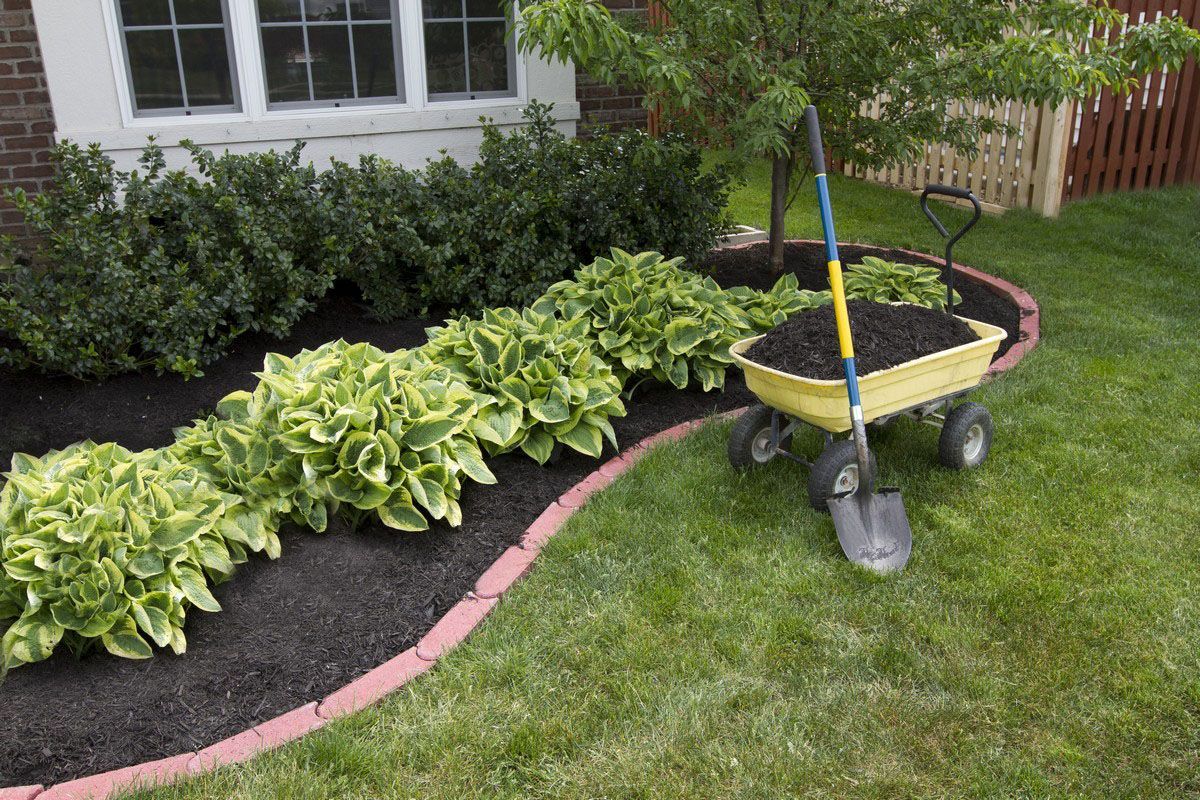
When the original organic ingredients are no longer recognizable and the heap smells wonderfully earthy, the dark, crumbly substance is finally ready for integration into the garden. Introducing this fully matured organic matter to your growing beds profoundly alters the fundamental physical structure of the earth itself. In highly porous, sandy environments, the spongy organic particles effectively bind loose mineral grains together, preventing precious irrigation water and dissolved soil nutrients from draining away entirely too rapidly. Conversely, in dense, heavy clay landscapes, the rough organic aggregates physically wedge themselves between tightly packed clay platelets, forcefully opening up essential pore spaces for air and water.
The moisture-regulating benefits of this natural soil builder absolutely cannot be overstated when facing modern climate challenges. According to the Environmental Protection Agency, this organic material dramatically increases a soil's ability to retain moisture; an enhancement of just one percent in soil organic matter helps that land hold an additional 20,000 gallons of water per acre, which greatly improves flood resilience and mitigates the effects of severe drought. This massive water-holding capacity acts like a subterranean reservoir, steadily and reliably supplying critical hydration to thirsty plant roots during extended, punishing dry spells. If your home system cannot generate enough volume to achieve these remarkable percentages across your entire property, regional garden centers provide bulk delivery services for mature compost, ensuring your entire landscape can benefit from these incredible moisture-retaining properties. Beyond its structural and hydrological benefits, this transformed waste acts as a slow-release, highly balanced nutritional powerhouse. The biological matter slowly relinquishes essential elements like nitrogen, phosphorus, and potassium as the complex compounds naturally continue to degrade, perfectly matching the biological uptake rates of actively growing plants.
Embracing the daily habit of organic recycling not only diverts valuable resources from overburdened municipal landfills but also dramatically transforms ordinary backyard waste into an invaluable horticultural asset. Local garden centers remain invaluable, steadfast partners throughout this entire journey, offering ongoing professional consultation services and essential supplies to absolutely guarantee your long-term gardening success. By continually and generously feeding your garden beds with rich, homemade compost, you ensure that your treasured plants remain intensely vigorous, deeply nourished, and highly resilient against unpredictable environmental stressors. For more insight on the benefits of making compost for your garden, please contact Four Seasons Nursery.




Share On: